

Yo, what's up everyone! I'm a supplier of Steel Pipe Shearing Machines, and today I wanna talk about something super important in our field: the effect of pipe hardness on the cutting performance of a steel pipe shearing machine.
Let's start with the basics. Pipe hardness is a key factor that can really mess with how well a shearing machine does its job. Hardness, in simple terms, is how resistant a material is to being deformed or scratched. When it comes to steel pipes, different manufacturing processes and materials can lead to a wide range of hardness levels.

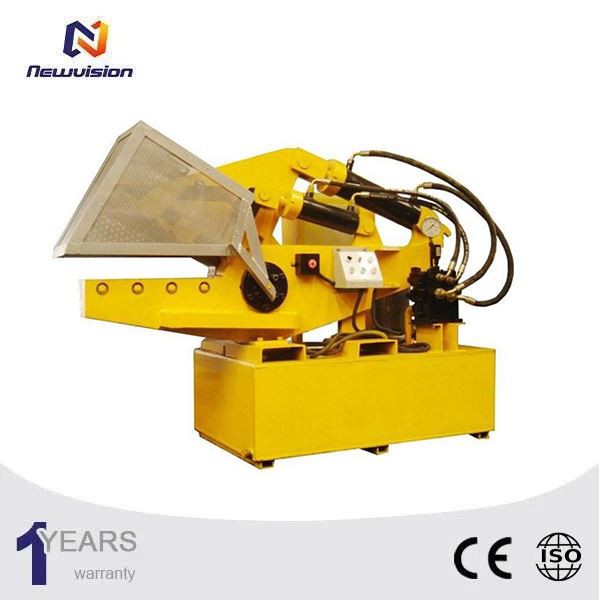
First off, let's dig into how hard pipes can affect the cutting force. When you're dealing with super hard pipes, the shearing machine has to work a lot harder. Think of it like trying to cut through a tough steak with a dull knife. You gotta put in more muscle. In the case of the shearing machine, it means the hydraulic system has to generate a much higher force to make the cut. If the machine isn't powerful enough, it might not be able to cut through the pipe at all, or it'll take a really long time, which is a huge waste of time and energy.
Another big deal is the wear and tear on the cutting blades. Hard pipes are like little sandpaper strips rubbing against the blades. The harder the pipe, the faster the blades wear out. Blades are a crucial part of the shearing machine, and replacing them can be a real pain in the butt, not to mention expensive. If you're constantly cutting hard pipes, you'll find yourself changing the blades more often, which adds to the overall cost of operation.
The quality of the cut is also affected by pipe hardness. When you cut a soft pipe, the shearing process is usually smooth, and you get a clean edge. But with hard pipes, things can get a bit messy. The high hardness can cause the pipe to crack or deform during the cutting process. This not only affects the appearance of the cut pipe but can also reduce its structural integrity. If you're using these pipes in a construction project or something else important, a poor - quality cut can lead to all sorts of problems down the line.
Now, let's talk about how we can deal with these issues. As a supplier of Steel Pipe Shearing Machines, I've seen it all. One solution is to choose a machine with a higher power rating. If you know you're gonna be cutting a lot of hard pipes, investing in a more powerful machine can save you a lot of headaches in the long run. It'll be able to handle the high cutting forces required without breaking a sweat.
Another thing is to use high - quality cutting blades. There are blades designed specifically for cutting hard materials. These blades are made from tougher materials and have a better edge retention. They might cost a bit more upfront, but they'll last longer and give you a better cut quality.
I also wanna mention some of the products we offer that can help with these problems. We have the Alligator Scrap Metal Cut Machine. This machine is a beast when it comes to cutting through tough materials. It has a high - powered hydraulic system that can generate enough force to cut through even the hardest pipes.
The Crocodile Cutter Hydraulic Alligator Scrap Shear is another great option. It's designed for precision cutting, and its blades are made to withstand the wear from hard pipes.
And if you're dealing with steel plates along with pipes, our Steel Plate Alligator Shears are a must - have. They can handle both soft and hard materials with ease.
In conclusion, pipe hardness has a huge impact on the cutting performance of a steel pipe shearing machine. It affects the cutting force, blade wear, and cut quality. But with the right machine and blades, you can overcome these challenges. If you're in the market for a steel pipe shearing machine or have any questions about dealing with hard pipes, don't hesitate to reach out. We're here to help you find the best solution for your needs. Let's have a chat and see how we can work together to make your cutting process more efficient and cost - effective.
References
- "Handbook of Metal Cutting and Machining" by Peter Oxley
- "Mechanical Properties of Materials" by George E. Dieter


