

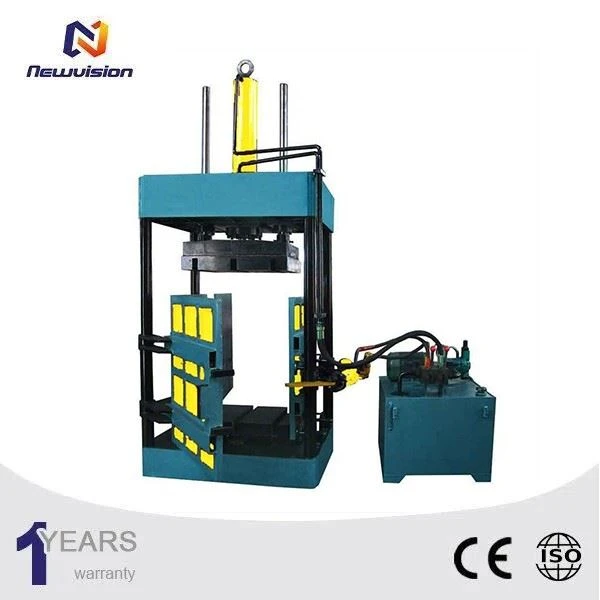
As a reliable supplier of 250 Tons Non-metallic Balers, I often encounter inquiries from customers regarding environmental protection requirements. This blog post aims to provide comprehensive insights into the environmental aspects associated with using our 250 Tons Non-metallic Baler.
I. Significance of Environmental Protection in Baler Usage
In today's world, environmental protection has become a global concern. The improper handling of non-metallic waste can lead to severe environmental problems, such as soil pollution, water contamination, and air pollution. Non-metallic waste, including plastics, paper, and various fibers, often takes a long time to decompose in the natural environment. By using a baler, we can efficiently compress these non-metallic waste materials, reducing their volume and facilitating easier transportation and recycling.
II. Environmental Protection Requirements for 250 Tons Non-metallic Baler Operation
1. Energy Efficiency
Energy efficiency is a crucial aspect of environmental protection. Our 250 Tons Non-metallic Baler is designed with advanced hydraulic systems and energy-saving technologies. These features ensure that the baler consumes less electricity during operation, thereby reducing the overall energy footprint. For example, the optimized hydraulic circuit design minimizes energy losses during the compression process, enabling the baler to achieve high compression force with relatively low energy input.
2. Noise Reduction
Noise pollution is another environmental concern, especially in industrial settings. Our baler is equipped with noise reduction devices, such as soundproof enclosures and vibration dampers. These measures effectively reduce the noise generated during baling operations, creating a more comfortable working environment for operators and minimizing the impact on the surrounding community.
3. Waste Management and Recycling
The primary purpose of a 250 Tons Non-metallic Baler is to compress non-metallic waste materials for easier handling and recycling. When using the baler, it is essential to ensure proper waste sorting before baling. This helps to separate different types of non-metallic waste, such as plastics and paper, which can then be recycled more effectively. For instance, Plastic Press Hydraulic Baler Machine is specifically designed for baling plastic waste, while Waste Paper Baler is suitable for compressing paper waste.
4. Emission Control
Although non-metallic balers do not typically produce large amounts of emissions, it is still necessary to ensure that the equipment meets relevant environmental standards. Our 250 Tons Non-metallic Baler is manufactured using high-quality materials and components that comply with international environmental regulations. This includes minimizing the use of harmful substances and ensuring proper sealing to prevent the leakage of any potential contaminants.
III. Environmental Benefits of Using a 250 Tons Non-metallic Baler
1. Reduced Landfill Space
By compressing non-metallic waste into bales, the volume of waste is significantly reduced. This means that less landfill space is required to dispose of the same amount of waste. As landfill space is a finite resource, reducing its usage is essential for environmental sustainability.
2. enhanced Recycling Rates
The bales produced by our baler are more organized and easier to handle, which increases the efficiency of the recycling process. Recycling non-metallic waste helps to conserve natural resources and reduce the energy consumption associated with the production of new materials. For example, recycling paper can save trees and reduce the energy required for paper production, while recycling plastics can reduce the demand for petroleum-based raw materials.

3. Lower Transportation Costs and Emissions
The compact bales produced by the baler are easier to transport. This reduces the number of trips required to transport the waste, resulting in lower transportation costs and fewer greenhouse gas emissions. Additionally, more efficient transportation means less fuel consumption, further contributing to environmental protection.
IV. Choosing the Right 250 Tons Non-metallic Baler for Your Environmental Needs
When selecting a 250 Tons Non-metallic Baler, it is important to consider the environmental features of the equipment. Look for a baler that is energy-efficient, has low noise levels, and is suitable for the specific types of non-metallic waste you need to bale. Our company offers a range of balers, including the Vertical Baler Machine For Plastic, which is designed to meet the diverse environmental and operational needs of our customers.
V. Conclusion and Call to Action
In conclusion, using a 250 Tons Non-metallic Baler can bring significant environmental benefits, including reduced landfill space, enhanced recycling rates, and lower transportation emissions. However, it is crucial to ensure that the baler meets the necessary environmental protection requirements during operation.
If you are interested in learning more about our 250 Tons Non-metallic Baler or other related products, we encourage you to contact us for further discussion. Our team of experts is ready to provide you with detailed information and assist you in making the right choice for your waste management and environmental protection needs.
References
- Environmental Protection Agency. (2023). Waste Management and Recycling Guidelines.
- International Organization for Standardization. (2022). ISO Standards for Industrial Equipment and Environmental Protection.


