

Transporting a 250 Tons Non-metallic Baler can be quite a challenge, but with the right approach, it can be done smoothly. As a supplier of these heavy - duty balers, I've seen my fair share of transportation scenarios, and I'm here to share some tips and insights on how to handle this task effectively.

Understanding the Baler
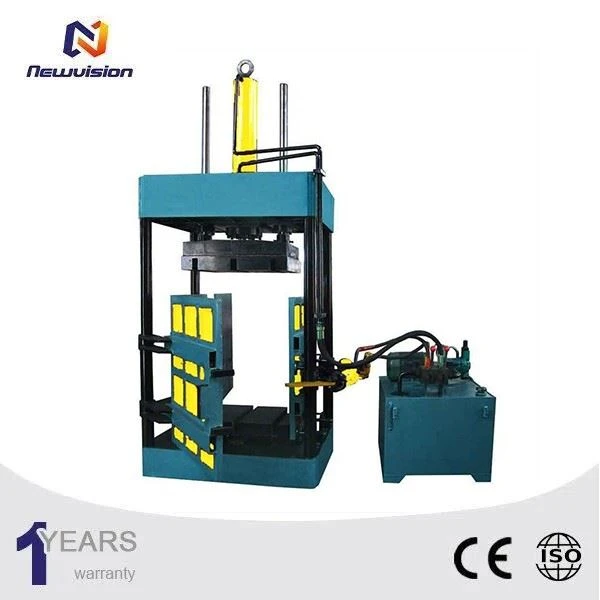
First off, let's talk about the 250 Tons Non - metallic Baler itself. These machines are massive and are designed to compress non - metallic materials like plastic, straw, and other recyclable non - metals into tight bales. They're equipped with powerful hydraulic systems that require careful handling during transportation. Their size and weight alone make them a unique challenge, and you can't just load them onto any old truck and hit the road.
Planning Ahead
The planning phase is crucial when it comes to transporting a 250 Tons Non - metallic Baler. You need to start by assessing the route. Think about the road conditions, the height and weight restrictions, and any potential obstacles like low bridges or sharp turns. It's also a good idea to check local traffic regulations and permits. Some areas may require special permits for transporting such large and heavy equipment.
Another important aspect of planning is choosing the right transportation method. For a 250 - ton baler, you'll likely need a specialized heavy - haul trucking company. These companies have the experience and equipment to handle loads of this magnitude. Make sure to do your research, read reviews, and get quotes from multiple providers. You want to ensure that the company you choose has a good safety record and the right type of trailers for the job. For instance, a flatbed trailer might be a common choice, but depending on the baler's shape and dimensions, a specialized trailer could be more suitable.
Preparing the Baler for Transport
Before the baler can be loaded onto the truck, it needs to be properly prepared. Start by draining all fluids, such as hydraulic oil and coolant. This not only reduces the weight of the baler but also prevents any leaks during transportation, which could cause environmental damage or damage to the trailer.
Next, disassemble any removable parts that could be damaged during transit or that extend beyond the normal dimensions of the baler. This might include control panels, safety guards, or additional attachments. Make sure to label all the parts and keep them organized so that they can be easily reassembled at the destination.
You'll also want to secure the baler to prevent it from shifting during transport. Use heavy - duty straps and chains to firmly attach the baler to the trailer. Check the tightness of the restraints regularly during the loading process and make any necessary adjustments.
Loading the Baler
Loading a 250 - ton baler is not a task for the faint - hearted. It requires specialized equipment like cranes or forklifts with high weight - capacity. The loading process should be carried out by experienced professionals who understand the proper techniques for handling heavy equipment.
When using a crane, ensure that the lifting points on the baler are correctly identified and that the crane has the necessary capacity to lift the load safely. The crane operator should have a clear line of sight and communicate effectively with the ground crew. If using a forklift, make sure it's properly sized and rated for the weight of the baler.
Transporting the Baler
During transportation, the safety of the baler and the people on the road is of utmost importance. The truck driver should be well - trained and experienced in handling heavy - haul loads. They need to be aware of the increased stopping distances and the challenges of maneuvering a large vehicle.
Regularly communicate with the driver to get updates on the progress of the journey. Provide them with detailed information about the destination, including any special unloading requirements. It's also a good idea to have a contingency plan in case of unexpected situations like bad weather or road closures.
Unloading and Reassembly
Once the baler reaches its destination, the unloading process is just as critical as the loading. Use the same level of caution and specialized equipment to safely remove the baler from the trailer.
After unloading, it's time to reassemble the baler. Follow the manufacturer's instructions carefully and make sure all the parts are properly installed. Check the connections, tighten any bolts or screws, and refill the fluids. Conduct a thorough inspection and test run to ensure that the baler is in proper working condition.
Related Products
If you're interested in other types of balers, we also offer a range of vertical baler machines. Check out our Vertical Compress Machine Baler, Vertical Scrap Baling Press Machine, Vertical Baler Machine For Plastic, Baler Machine Press Scrap For Straw, and Vertical Type Hydraulic Baler Machine For Scrap.
Contact for Purchase
If you're in the market for a 250 Tons Non - metallic Baler or any of our other products, don't hesitate to reach out. We're here to answer all your questions and help you find the perfect solution for your baling needs. Whether you're a small recycling business or a large industrial operation, we've got the right equipment for you.
References
- Industry best practices for heavy equipment transportation
- Manufacturer's guidelines for 250 Tons Non - metallic Baler transportation and handling


