

Hey there! As a supplier of 250 Tons Non - metallic Baler, I've seen firsthand how optimizing the operation process can make a huge difference. In this blog, I'll share some tips on how to get the most out of your 250 Tons Non - metallic Baler.
Understanding the Basics
First things first, let's talk about what a 250 Tons Non - metallic Baler does. It's a powerful machine designed to compress non - metallic materials like plastics, paper, and cardboard into dense bales. These bales are easier to store, transport, and recycle.
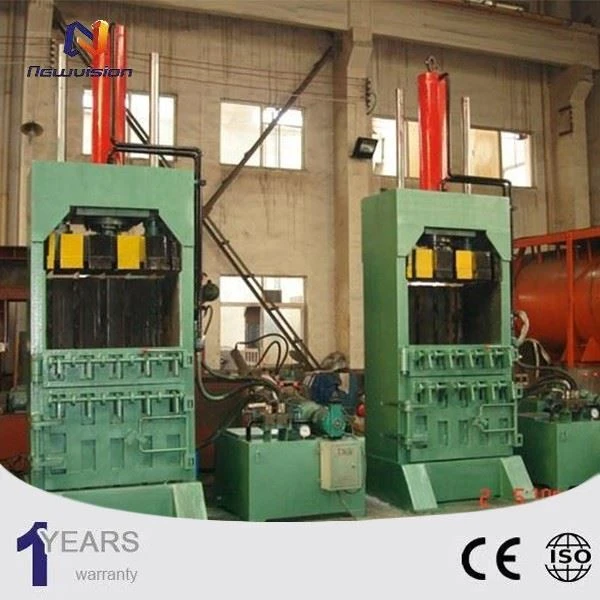
The key components of a 250 Tons Non - metallic Baler include a hydraulic system, a pressing chamber, and a control panel. The hydraulic system provides the force needed to compress the materials, while the pressing chamber is where the actual baling takes place. The control panel allows operators to set the parameters for the baling process.

Pre - operation Checks
Before you start using the baler, it's crucial to perform some pre - operation checks. This helps prevent breakdowns and ensures the machine operates safely and efficiently.
- Inspect the Machine: Check for any visible damage to the machine, such as cracks, leaks, or loose parts. Make sure all the safety guards are in place and functioning properly.
- Check the Hydraulic Fluid: The hydraulic fluid is the lifeblood of the baler. Check the fluid level and make sure it's within the recommended range. If the fluid is low, top it up with the appropriate type of hydraulic fluid.
- Test the Controls: Operate the control panel to test all the functions of the baler. Make sure the buttons and switches are working correctly and that the machine responds as expected.
Loading the Materials
Proper loading of the non - metallic materials is essential for efficient baling. Here are some tips:
- Sort the Materials: Separate different types of non - metallic materials before loading them into the baler. This helps ensure consistent bale quality and makes it easier to recycle the bales later.
- Load the Materials Evenly: Distribute the materials evenly across the pressing chamber. Avoid overloading one side of the chamber, as this can cause uneven compression and may damage the machine.
- Use the Right Loading Method: Depending on the design of your baler, you may need to use a conveyor belt, a forklift, or manual loading. Follow the manufacturer's instructions for the best results.
Setting the Baling Parameters
The baling parameters, such as the compression force, bale size, and tying method, need to be set correctly for optimal performance.
- Compression Force: The 250 Tons Non - metallic Baler is capable of applying a significant amount of force. However, you don't always need to use the maximum force. Adjust the compression force based on the type and density of the materials you're baling. For example, lighter materials may require less force.
- Bale Size: Determine the appropriate bale size based on your storage and transportation needs. You can usually adjust the bale size using the control panel. Make sure the bale size is consistent for easier handling.
- Tying Method: There are different tying methods available, such as wire tying or strapping. Choose the method that's most suitable for your materials and the end - use of the bales.
Monitoring the Baling Process
Once the baling process starts, it's important to monitor it closely.
- Watch for Abnormal Noises or Vibrations: Unusual noises or vibrations can indicate a problem with the machine. If you notice anything out of the ordinary, stop the baler immediately and investigate the cause.
- Check the Bale Quality: Periodically check the quality of the bales being produced. The bales should be dense, well - formed, and tied securely. If the bales are too loose or poorly tied, adjust the baling parameters accordingly.
- Keep an Eye on the Machine Temperature: High temperatures can damage the hydraulic system and other components of the baler. Use a temperature gauge to monitor the machine temperature and take appropriate action if it gets too high.
Maintenance and Troubleshooting
Regular maintenance is essential for the long - term performance of your 250 Tons Non - metallic Baler.
- Follow the Maintenance Schedule: The manufacturer provides a maintenance schedule that outlines the tasks you need to perform at regular intervals. This includes tasks like lubricating the moving parts, replacing filters, and inspecting the hydraulic hoses.
- Train Your Operators: Make sure your operators are properly trained on how to operate and maintain the baler. They should know how to perform basic troubleshooting and when to call for professional help.
- Troubleshoot Common Problems: Some common problems with non - metallic balers include hydraulic leaks, electrical issues, and problems with the tying mechanism. If you encounter a problem, refer to the user manual or contact the manufacturer's technical support team for assistance.
Upgrading Your Baler
Over time, you may want to consider upgrading your 250 Tons Non - metallic Baler to improve its performance.
- New Hydraulic Components: Upgrading the hydraulic pump or other hydraulic components can increase the compression force and improve the efficiency of the baler. You can find some great options for Hydraulic Pump Press Machine.
- Advanced Control Systems: A more advanced control system can provide better control over the baling process and allow for more precise setting of the parameters.
- Improved Tying Mechanisms: Upgrading the tying mechanism can ensure more secure and consistent bale tying. Check out the Hydraulic Vertical Model Scrap Baler and Vertical Size Baler Baling Press Machine for some inspiration.
Conclusion
Optimizing the operation process of a 250 Tons Non - metallic Baler requires a combination of proper pre - operation checks, correct loading and parameter setting, close monitoring, regular maintenance, and occasional upgrades. By following these tips, you can improve the efficiency, reliability, and lifespan of your baler.
If you're in the market for a 250 Tons Non - metallic Baler or need to upgrade your existing one, feel free to reach out. We're here to help you find the best solution for your non - metallic baling needs. Let's start a conversation and see how we can work together to optimize your operation process.
References
- Manufacturer's user manual for the 250 Tons Non - metallic Baler
- Industry best practices for non - metallic baler operation and maintenance


