

Do I need to pre - process the scrap metal before using a baler?
Hey there, folks! As a supplier of Scrap Metal Baler, I get this question a lot: "Do I need to pre - process the scrap metal before using a baler?" Well, let's dive right into it and figure out what's what.
First off, let's understand what pre - processing means in the context of scrap metal. Pre - processing can involve a bunch of things like sorting, cleaning, and shearing the scrap metal. Sorting is all about separating different types of metals. You've got ferrous metals like iron and steel, and non - ferrous ones like aluminum, copper, and brass. Each type has different properties, and they react differently when you try to bale them. For example, ferrous metals are magnetic, which can make them easier to handle in some sorting processes.
Cleaning is another important part of pre - processing. Scrap metal can be dirty, covered in grease, oil, or even other non - metallic materials. If you don't clean it, these contaminants can cause problems when you're using the baler. They might affect the quality of the bales, and in some cases, they could even damage the baler itself. For instance, if there's a lot of oil on the scrap metal, it could seep into the hydraulic system of the baler Metal Baler Machine Press Baler and cause malfunctions.

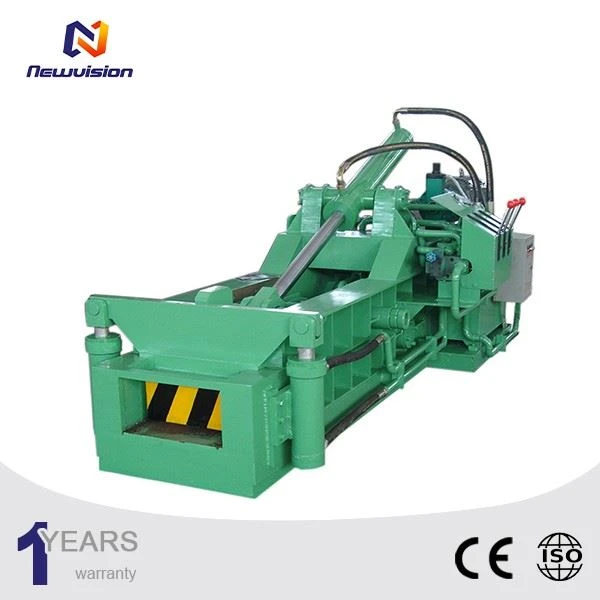
Shearing is used to cut large pieces of scrap metal into smaller, more manageable sizes. This is crucial because if the pieces are too big, they might not fit properly into the baler. A baler has a specific chamber size, and if the scrap metal is oversized, it can jam the machine or prevent it from compressing the metal effectively.
Now, let's talk about whether you actually need to pre - process the scrap metal. The answer isn't a simple yes or no. It depends on several factors.
If you're dealing with relatively clean and uniform scrap metal, like a large batch of similar - sized aluminum cans, you might not need to do a whole lot of pre - processing. You can just throw them into the Aluminum Cans Hydraulic Metal Scrap Baler and let it do its thing. These balers are designed to handle that kind of stuff efficiently. However, if there are some non - aluminum items mixed in, it's a good idea to do a quick sort to get rid of them. Otherwise, it could affect the quality of the bales and their value when you sell them.
On the other hand, if you've got a mixed pile of scrap metal with all sorts of different shapes, sizes, and types, pre - processing is almost a must. Without it, you're likely to run into problems with the baler. The machine might not be able to compress the metal evenly, resulting in loose or misshapen bales. And if there are large, irregular pieces, they could cause blockages in the baler's feeding mechanism.
Let's look at the benefits of pre - processing. One of the biggest advantages is that it improves the efficiency of the baling process. When the scrap metal is sorted, cleaned, and cut to the right size, the baler can work more smoothly. It can compress the metal faster and produce more consistent bales. This means you can process more scrap metal in less time, which is great for your bottom line.
Another benefit is that pre - processing can increase the value of the bales. Clean, sorted, and well - formed bales are more attractive to buyers. They're easier to handle and transport, and they're more likely to meet the quality standards of recycling facilities. So, by taking the time to pre - process your scrap metal, you can get a better price for your bales.
Now, I know what you're thinking. "Pre - processing sounds like a lot of work. Is it really worth it?" Well, in most cases, it is. The time and effort you spend on pre - processing can save you a lot of headaches in the long run. You'll avoid costly breakdowns of your Metal Baler, and you'll end up with higher - quality bales that are easier to sell.
If you're still not convinced, let me give you an example. Say you're a small - scale scrap metal dealer. You've got a pile of mixed scrap that includes old car parts, pipes, and some random metal pieces. If you try to bale this stuff without pre - processing, you might end up with a baler that keeps jamming. You'll waste a lot of time trying to clear the blockages, and you might even damage the machine. On the other hand, if you take a few hours to sort the metal, clean off any dirt or grease, and cut the larger pieces into smaller ones, you'll have a much smoother baling process. You'll be able to produce high - quality bales that you can sell at a good price.
As a Scrap Metal Baler supplier, I've seen firsthand the difference that pre - processing can make. Our customers who take the time to pre - process their scrap metal are the ones who get the most out of our Automatic Scrap Metal Baler Machine. They have fewer problems with the machines, and they're able to produce bales that are in high demand.
In conclusion, while it's not always necessary to pre - process scrap metal before using a baler, in most cases, it's a good idea. It can improve the efficiency of the baling process, increase the value of your bales, and save you from a lot of potential problems. If you're in the scrap metal business, I highly recommend giving pre - processing a try.
If you're interested in our Scrap Metal Baler products, whether you're looking for a simple Metal Baler Machine Press Baler or a more advanced Automatic Scrap Metal Baler Machine, we're here to help. We can offer you professional advice on how to choose the right baler for your needs and how to optimize your scrap metal processing. Don't hesitate to reach out to us for more information and to start a discussion about your procurement.
References
- General knowledge in the scrap metal recycling and baling industry.
- Experience from dealing with customers as a Scrap Metal Baler supplier.


