

As a supplier of Vertical Baler Machines, I often get asked about how these machines work. So, I thought I'd take a few minutes to explain the working principle of a vertical baler machine in simple terms.
The Basics of a Vertical Baler Machine
First off, let's talk about what a vertical baler machine is for. It's a device that compresses different types of materials into compact bales. These materials can range from waste paper, cardboard, plastic bottles, to solid waste and even PP film. The main reason for using a vertical baler is to make it easier to store, transport, and recycle these materials.
The Components of a Vertical Baler Machine
Before we dive into how it works, it's important to know the main parts of a vertical baler.
- Hopper: This is where you put the materials that you want to bale. It's like the mouth of the machine, and it's designed to hold a certain amount of material before the compression process starts.
- Compression Chamber: This is the area where the real action happens. Once the materials are in the hopper, they are pushed into the compression chamber.
- Hydraulic System: This is the muscle of the machine. The hydraulic system consists of a hydraulic pump, cylinders, and valves. It provides the force needed to compress the materials.
- Platen: The platen is a large, flat plate that is connected to the hydraulic cylinders. When the hydraulic system is activated, the platen moves down into the compression chamber, compressing the materials.
- Twine or Wire Feeding System: After the materials are compressed, this system is used to tie the bales together. It ensures that the bales stay compact and don't fall apart during handling.
The Working Process of a Vertical Baler Machine
Now, let's go through the step-by-step process of how a vertical baler machine works.
Step 1: Loading the Materials
The first thing you need to do is load the materials into the hopper. You can do this manually or use a conveyor belt if you have a lot of materials. The hopper is designed to hold the materials until they are ready to be compressed.
Step 2: Starting the Compression
Once the hopper is filled with materials, you start the machine. The hydraulic system is activated, and the platen begins to move down into the compression chamber. As the platen moves, it applies pressure to the materials, compressing them into a smaller volume.
Step 3: Reaching the Desired Density
The hydraulic system continues to apply pressure until the materials reach the desired density. The operator can usually set the pressure level and the compression time according to the type of material being baled. For example, cardboard may require less pressure compared to plastic bottles.
Step 4: Tying the Bale
Once the materials are compressed to the desired density, the twine or wire feeding system kicks in. It wraps the bale with twine or wire, securing it in place. This ensures that the bale stays compact and can be easily handled.
Step 5: Ejecting the Bale
After the bale is tied, the platen moves back up, and the bale is ejected from the compression chamber. You can then remove the bale from the machine and stack it for storage or transportation.
Different Applications of Vertical Baler Machines
Vertical baler machines are used in a wide range of industries. Here are some common applications:
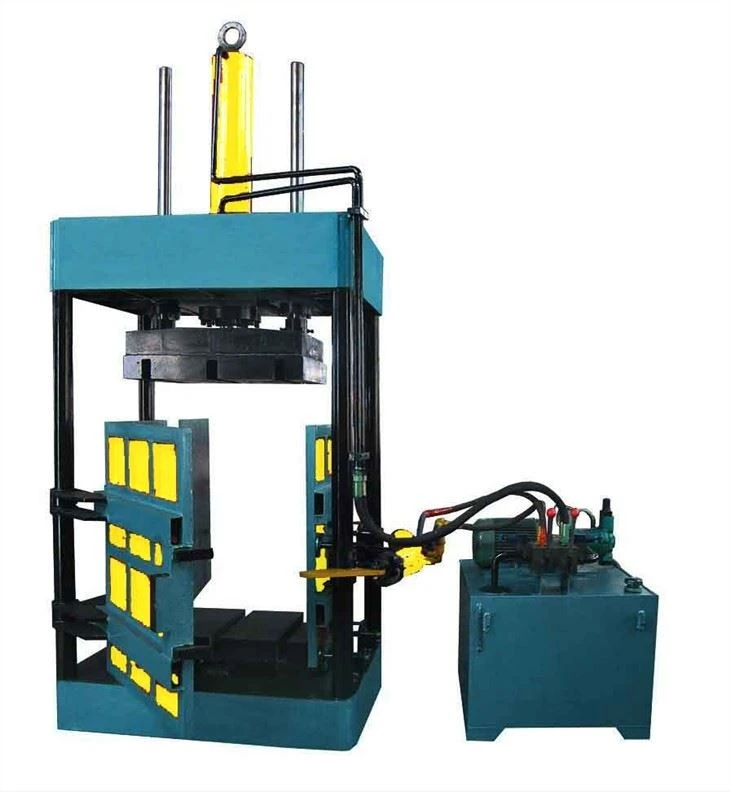
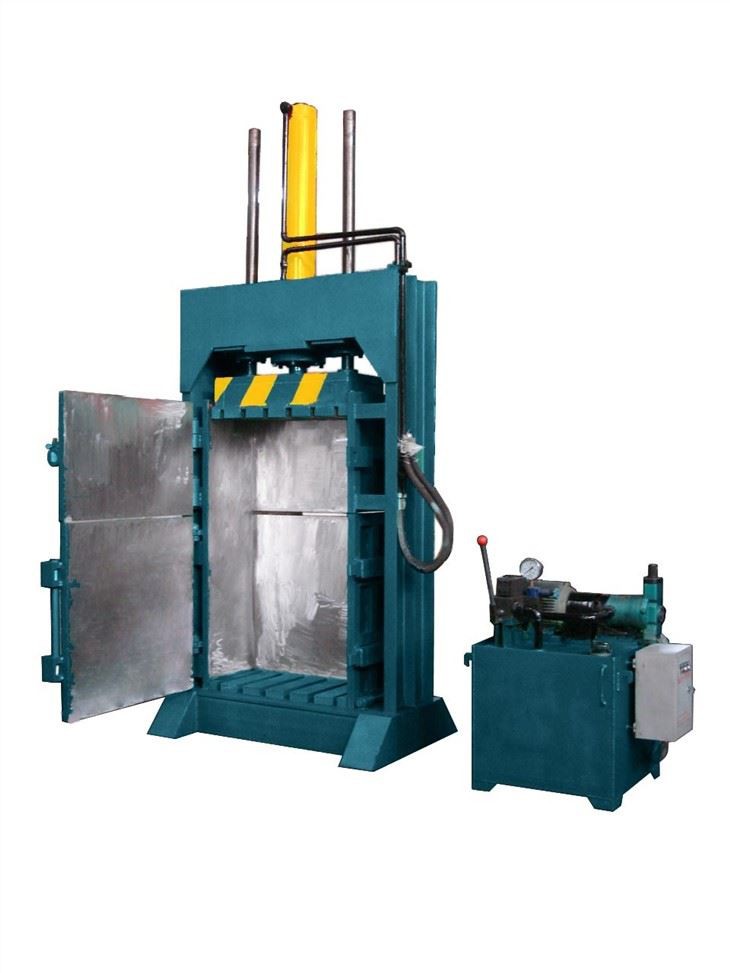
- Recycling Facilities: Recycling centers use vertical balers to compress waste paper, cardboard, plastic bottles, and other recyclable materials. This makes it easier to store and transport these materials to recycling plants. Check out our Scrap Baling Press Machine For Plastic Bottles for more information on how we can support your plastic bottle recycling efforts.
- Warehouses and Retail Stores: These places often generate a lot of cardboard waste. A vertical baler can help them manage this waste by compressing it into compact bales. Our Vertical Baler Machine Carton Press is perfect for this application.
- Manufacturing Plants: Manufacturing facilities may produce solid waste or scrap materials. A vertical baler can be used to compress these materials, reducing the storage space required and making it more cost-effective to dispose of them. Our Vertical Hydraulic Scrap Baler For Solide Waste is a great option for this.
- Printing and Packaging Industries: These industries use a lot of paper. A vertical baler can compress the waste paper into bales, which can then be recycled. Take a look at our Vertical Waste Paper Baler.
- Plastic Processing Plants: For plants that deal with PP film, our Vertical Type Scrap Baler Press For PP Film can compress the film into bales, making it easier to handle and recycle.
Advantages of Using a Vertical Baler Machine
There are several advantages to using a vertical baler machine.
- Space Saving: By compressing materials into bales, you significantly reduce the amount of space needed for storage. This is especially important for businesses with limited storage space.
- Cost Savings: Compressed bales are easier and cheaper to transport. You can fit more materials in a single shipment, reducing transportation costs. Additionally, recycling the baled materials can also generate some revenue.
- Environmental Benefits: Recycling the materials that are baled by the vertical baler helps to conserve natural resources and reduce waste. It's a great way to contribute to a more sustainable environment.
Conclusion
In conclusion, a vertical baler machine is a simple yet effective device that can help businesses manage their waste more efficiently. Whether you're in the recycling industry, a warehouse, a manufacturing plant, or any other business that generates waste materials, a vertical baler can be a valuable addition to your operations.
If you're interested in learning more about our vertical baler machines or are looking to purchase one for your business, don't hesitate to reach out. We're here to answer any questions you may have and help you find the right machine for your needs.
References
- "Industrial Baler Machines: Principles and Applications" - A technical guide on baler machines.
- "Waste Management and Recycling" - A book that covers various waste management techniques, including baling.


