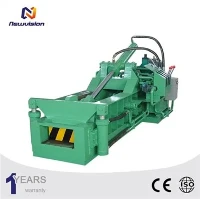

As a supplier of 1000 Tons Non - metallic Baler, I am always excited to share insights about the remarkable capabilities of our machines. These high - capacity balers are designed to handle a wide variety of non - metallic materials, which not only helps in waste management but also contributes to the recycling industry.
1. Plastic Materials
Plastic is one of the most common non - metallic materials that our 1000 Tons Non - metallic Baler can process. Different types of plastics, such as polyethylene (PE), polypropylene (PP), and polyvinyl chloride (PVC), can all be effectively baled.
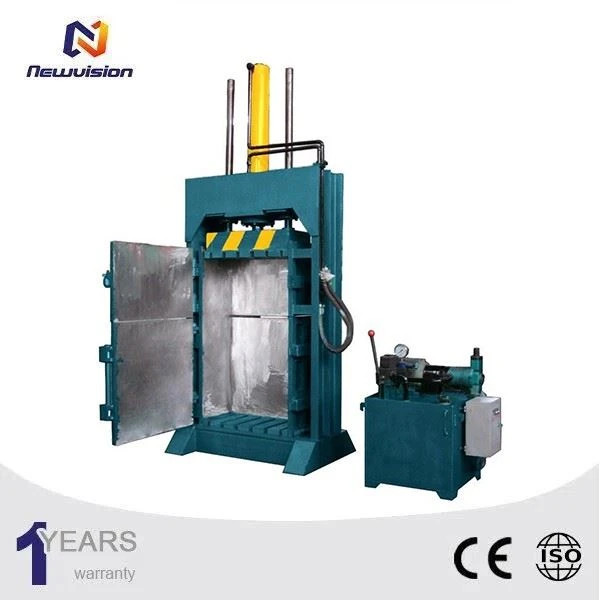
PE is widely used in packaging, especially in the form of PE films. Our baler can compress large volumes of PE films into dense bales, making them easier to store, transport, and recycle. For more information on a vertical type baler specifically designed for PE films, you can visit Vertical Type Scrap Baler Press For PE Film. The high pressure exerted by the 1000 Tons Non - metallic Baler can reduce the volume of PE films significantly, which is crucial for cost - effective recycling operations.
PP is another plastic material that is commonly used in various industries, including automotive, packaging, and textiles. Our baler can handle PP products such as plastic containers, pipes, and fibers. By baling PP materials, we can prevent them from taking up excessive space in landfills and promote their reuse in the manufacturing of new products.
PVC, although it has some environmental concerns due to the presence of chlorine, can still be recycled effectively with the help of our baler. PVC pipes, window frames, and flooring materials can be baled into compact units, facilitating their transportation to recycling facilities where they can be processed into new PVC products.
2. Textile Materials
Textiles are a major category of non - metallic materials that our baler is well - equipped to handle. This includes both natural and synthetic textiles.
Natural textiles such as cotton, wool, and silk are often discarded in large quantities from the fashion and textile industries. Our 1000 Tons Non - metallic Baler can compress these materials into bales, which can then be sent to recycling plants for further processing. Recycling natural textiles can reduce the demand for virgin fibers, conserve water and energy, and minimize the environmental impact of textile production.
Synthetic textiles, like polyester, nylon, and acrylic, are also common waste materials. These materials are often used in sportswear, home furnishings, and industrial applications. Our baler can handle synthetic textile waste, including old clothing, carpets, and upholstery. For a more specialized solution for clothing baling, you can explore Vertical Clothing Baler. Baling synthetic textiles helps in reducing the volume of waste and enables more efficient recycling processes.
3. Paper and Cardboard
Paper and cardboard are ubiquitous non - metallic materials in our daily lives. Our 1000 Tons Non - metallic Baler is highly effective in baling these materials.
Office paper, newspaper, and magazines are all suitable for compression by our baler. By baling these paper products, we can reduce the space required for storage and transportation, and also make it easier for recycling facilities to process them. The high - pressure baling process ensures that the paper bales are dense and stable, which is beneficial for subsequent recycling operations.
Cardboard boxes, which are widely used in the shipping and packaging industry, can also be efficiently baled. Our baler can handle large volumes of cardboard waste, turning them into compact bales. This not only helps businesses manage their waste more effectively but also contributes to the circular economy by promoting the recycling of cardboard. For a machine that can handle waste woven bags, which are also related to the packaging industry, you can refer to Waste Woven Bag Packing Machine.
4. Rubber Materials
Rubber is a non - metallic material with unique properties. Our 1000 Tons Non - metallic Baler can handle various rubber products.
Tires are a significant source of rubber waste. Our baler can compress used tires into bales, which is an important step in the tire recycling process. Baled tires are easier to store, transport, and process into new rubber products or other materials such as rubberized asphalt.
Other rubber products, such as rubber gaskets, hoses, and seals, can also be baled using our machine. By baling these rubber materials, we can prevent them from becoming environmental pollutants and promote their reuse in the rubber industry.
5. Fiberglass and Composite Materials
Fiberglass and composite materials are widely used in industries such as aerospace, automotive, and construction. Our 1000 Tons Non - metallic Baler can handle waste fiberglass and composite materials.
Fiberglass is a lightweight and strong material, but it can be difficult to manage when it becomes waste. Our baler can compress fiberglass waste into bales, which can then be sent for recycling or proper disposal. Composite materials, which are made up of a combination of different non - metallic materials, can also be baled using our machine. This helps in reducing the volume of waste and facilitating the recycling or treatment of these complex materials.
Why Choose Our 1000 Tons Non - metallic Baler
The 1000 Tons Non - metallic Baler we offer has several advantages. Firstly, its high - capacity design allows for the efficient handling of large volumes of non - metallic materials. This means that businesses can process more waste in less time, improving productivity.
Secondly, the high pressure generated by the baler ensures that the bales are dense and compact. Dense bales are easier to store, transport, and handle, which can lead to significant cost savings in waste management and recycling operations.
Thirdly, our baler is built with high - quality materials and advanced technology, ensuring its reliability and durability. It requires minimal maintenance, which reduces downtime and operating costs.
If you are in the market for a high - performance non - metallic baler that can handle a wide range of materials, we invite you to contact us for a detailed discussion. Whether you are a waste management company, a recycling facility, or a manufacturing plant looking to manage your non - metallic waste more effectively, our 1000 Tons Non - metallic Baler could be the ideal solution for you.

References
- Smith, J. (2020). Non - metallic Waste Recycling: Technologies and Trends. Recycling Press.
- Johnson, A. (2019). The Role of Balers in Non - metallic Waste Management. Waste Management Journal.