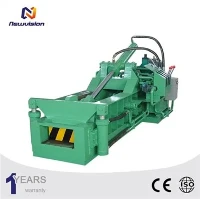

As a supplier of scrap copper balers, I've witnessed firsthand the diverse factors that can significantly influence the performance of these machines. In this blog, I'll delve into the key elements that play a crucial role in determining how well a scrap copper baler operates.
Material Characteristics
The nature of the scrap copper being processed is one of the most fundamental factors affecting the baler's performance. Different types of scrap copper, such as wires, sheets, or pipes, have varying physical properties. For instance, copper wires are more flexible and can be easily compacted, while copper sheets may require more force due to their rigidity.
The cleanliness of the scrap copper also matters. If the scrap is contaminated with dirt, oil, or other foreign materials, it can impede the baling process. Contaminants can cause wear and tear on the baler's components, reduce the efficiency of the compaction, and even lead to blockages. Therefore, pre - cleaning the scrap copper is essential to ensure optimal performance.
Machine Design and Build Quality
The design of the scrap copper baler is a critical factor. A well - designed baler should have a robust frame that can withstand the high pressures generated during the baling process. The hydraulic system, which is responsible for applying the force to compress the scrap copper, needs to be efficient and reliable.
The size and shape of the baling chamber also impact performance. A larger chamber can accommodate more scrap copper at once, increasing the productivity of the machine. However, it also requires a more powerful hydraulic system to achieve the desired compaction. Additionally, the shape of the chamber can affect how evenly the scrap is compressed.
The quality of the materials used in the construction of the baler is equally important. High - quality steel for the frame and components ensures durability and longevity. Inferior materials may lead to frequent breakdowns and costly repairs, which can disrupt the production process.
Operating Conditions
The environment in which the scrap copper baler operates can have a significant impact on its performance. Temperature and humidity levels can affect the hydraulic fluid and the mechanical components of the baler. Extreme temperatures can cause the hydraulic fluid to thicken or thin, reducing the efficiency of the hydraulic system. High humidity can lead to corrosion of the metal parts, shortening their lifespan.
The power supply is another crucial operating condition. A stable and adequate power source is necessary for the baler to function properly. Fluctuations in voltage or power outages can cause the machine to malfunction or even damage its components.
Operator Skill and Training
The skill and training of the operator are often overlooked but are vital for the optimal performance of the scrap copper baler. An experienced operator knows how to load the scrap copper into the baler correctly, adjust the settings for different types of scrap, and troubleshoot minor issues.


Proper training ensures that the operator understands the safety procedures and the correct operation of the machine. A well - trained operator can also identify potential problems early, preventing major breakdowns and reducing downtime.
Maintenance and Servicing
Regular maintenance is essential for keeping the scrap copper baler in top - notch condition. This includes checking and changing the hydraulic fluid, lubricating the moving parts, and inspecting the electrical components. A well - maintained baler is less likely to experience breakdowns and will operate more efficiently.
Servicing should be carried out by qualified technicians. They can perform in - depth inspections, identify any worn - out parts, and replace them before they cause serious problems. Neglecting maintenance can lead to decreased performance, increased energy consumption, and a shorter lifespan for the baler.
Compaction Force and Pressure
The compaction force and pressure applied by the baler are directly related to its performance. The right amount of force is needed to compress the scrap copper into dense bales. Too little force will result in loose bales that are difficult to handle and transport, while too much force can damage the baler or the scrap itself.
The hydraulic system of the baler is responsible for generating the compaction force. The pressure settings need to be adjusted according to the type and quantity of scrap copper being processed. Modern balers often come with adjustable pressure settings, allowing the operator to optimize the compaction process.
Bale Size and Shape
The desired bale size and shape also affect the performance of the scrap copper baler. Different customers may have specific requirements for the size and shape of the bales. A baler that can produce bales of various sizes and shapes offers more flexibility.
However, changing the bale size and shape may require adjustments to the baler's settings and components. For example, a larger bale may require a more powerful hydraulic system to achieve the same level of compaction.
Automation and Control Systems
Advanced automation and control systems can enhance the performance of the scrap copper baler. These systems can monitor the baling process in real - time, adjust the settings automatically, and provide feedback to the operator.
Automation can improve the consistency of the bales, reduce the risk of human error, and increase the overall efficiency of the baling process. For example, an automated system can detect when the baler is overloaded and adjust the feed rate accordingly.
Market - Related Factors
Market demand for scrap copper bales can also influence the performance of the baler. If there is a high demand for a particular type of bale, the baler may need to operate at a higher capacity and produce more consistent bales.
Competition in the market can also drive the need for better performance. As a supplier, we need to ensure that our balers can produce high - quality bales efficiently to stay competitive.
Conclusion
In conclusion, the performance of a scrap copper baler is influenced by a multitude of factors, including material characteristics, machine design, operating conditions, operator skill, maintenance, compaction force, bale size, automation, and market - related factors. As a supplier, we are committed to providing high - quality balers that can perform well under various conditions.
If you are in the market for a scrap copper baler, we encourage you to explore our range of products. We offer a Horizontal Baling Press Machine that is designed for efficient and reliable operation. Our Iron Filings Recovery solution can also help you make the most of your scrap metal. And if you need a powerful baler, our YD - 3150 Scrap Metal Baling Press For Sale 315ton is a great option.
We are always ready to discuss your specific requirements and provide you with the best solution for your scrap copper baling needs. Contact us to start a procurement discussion and take your scrap metal processing to the next level.
References
- "Scrap Metal Processing Handbook", published by Industry Press
- "Hydraulic Systems in Industrial Machinery", by Mechanical Engineering Institute
- "Automation in Manufacturing Processes", research paper from a leading engineering journal