

When it comes to waste woven bag packing, one of the most frequently asked questions by our customers is: "What is the maximum width of waste woven bags that a packing machine can handle?" This is a crucial consideration as it directly affects the efficiency and suitability of the packing machine for different waste management and recycling operations. As a leading supplier of Waste Woven Bag Packing Machines, we are well - versed in the technical details and practical aspects related to this issue.
Understanding the Technical Limitations
The maximum width that a waste woven bag packing machine can handle is determined by a variety of factors, primarily related to the design and construction of the machine. Firstly, the size of the inlet or feeding area of the packing machine sets a fundamental limit. This is the area through which the waste woven bags are loaded into the machine for processing.
For example, in our standard models, we have designed the inlet width to accommodate a range of common waste woven bag widths. The engineering of the feeding mechanism also plays a significant role. If the width of the waste woven bags exceeds the capacity of the feeding conveyor or rollers, it can lead to jams, improper feeding, and even damage to the machine.
The internal structure of the packing machine, including the compression chamber, also affects the maximum width. The compression chamber needs to be large enough to hold and compress the waste woven bags. If the bags are too wide, they may not fit properly, resulting in incomplete compression and inefficient packing.
Different Machine Models and Their Capabilities
We offer a diverse range of waste woven bag packing machines, each with different capabilities in terms of the maximum width they can handle. Our smaller, entry - level models are designed for more modest operations. These machines typically have an inlet width of around 50 - 80 cm, which can handle waste woven bags of relatively average widths. They are ideal for small - scale recycling centers or businesses with limited waste volumes.
On the other hand, our larger, industrial - grade models are much more powerful and have a significantly wider inlet. These machines can handle waste woven bags with widths up to 150 cm or even more. They are designed for large - scale recycling facilities, waste management companies, or industries that generate a large amount of waste woven bags on a daily basis.
Impact of Bag Width on Packing Efficiency
The width of the waste woven bags also has a direct impact on the packing efficiency of the machine. When the bag width is within the optimal range for the machine, the packing process is smooth and efficient. The machine can compress the bags effectively, reducing their volume and making them easier to store and transport.
However, if the bag width is close to or exceeds the maximum capacity of the machine, it can lead to a decrease in efficiency. The machine may need to work harder to process the bags, resulting in longer packing times and increased energy consumption. Additionally, the quality of the packed bales may be compromised, as the compression may not be uniform across the entire width of the bag.
Other Related Factors
Apart from the width of the waste woven bags, other factors need to be considered when choosing a packing machine. For instance, the thickness and material of the waste woven bags can also affect the machine's performance. Thicker or stronger - material bags may require a more powerful machine with higher compression force, regardless of their width.
The volume and frequency of waste woven bag production are also important. If a business generates a large volume of waste woven bags on a regular basis, a machine with a wider handling capacity and higher processing speed may be more suitable.
Comparison with Related Equipment
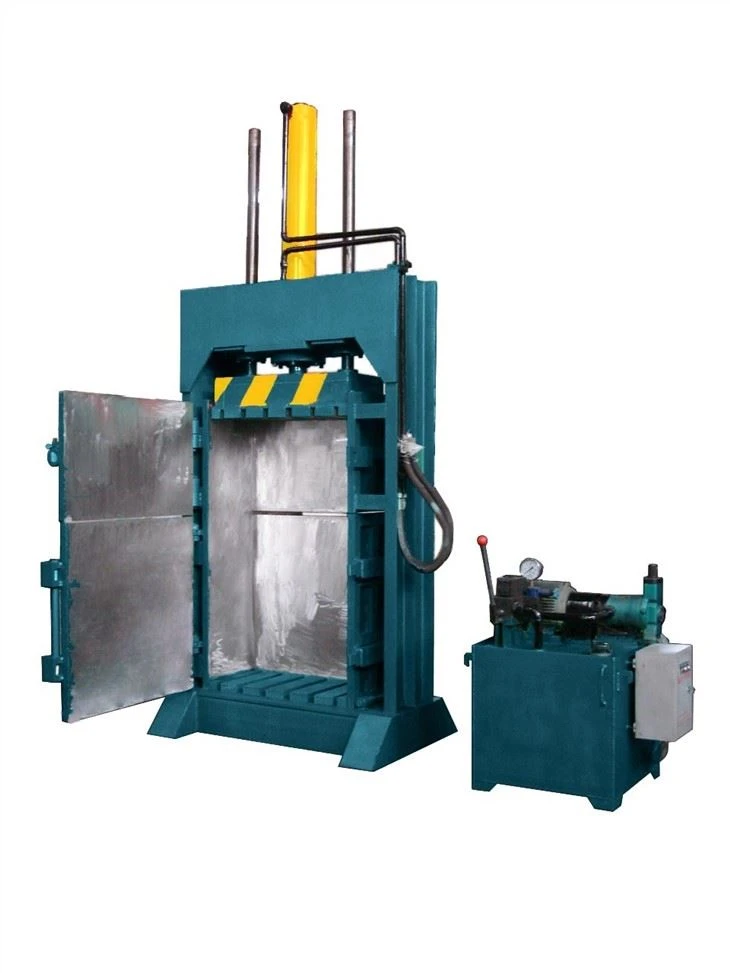
In our product portfolio, we also offer other types of baling machines that can be used in conjunction with waste woven bag packing. For example, a Vertical Hydraulic Baler can be used for further compacting the packed waste woven bags into even denser bales. This type of baler is known for its high - pressure compression and can handle a variety of waste materials, including waste woven bags.
We also have Scrap Baler Machine For Shell Straws and Scrap Baler Machine For Cans. While these are designed for specific waste materials, the principles of operation in terms of compression and handling capacity are somewhat similar. Understanding the capabilities of these related machines can help customers make more informed decisions about their waste management and recycling needs.
Making the Right Choice
When selecting a waste woven bag packing machine, it is essential to accurately assess the width of the waste woven bags that will be processed. This can be determined by measuring a sample of the bags or by referring to industry standards. It is also advisable to consult with our technical experts, who can provide in - depth analysis and recommendations based on your specific requirements.
In addition to the maximum width, other features such as the compression ratio, power consumption, and ease of maintenance should also be considered. A machine with a high compression ratio will produce denser bales, reducing storage and transportation costs. Low power consumption is beneficial for long - term operation, as it can significantly reduce energy expenses. And easy maintenance ensures that the machine can be kept in good working condition with minimal downtime.

Contact Us for Your Needs
We understand that choosing the right waste woven bag packing machine is a significant decision for your business. Our team of experienced professionals is ready to assist you in every step of the process, from product selection to after - sales service. Whether you are a small - scale recycler or a large - scale industrial enterprise, we have the right solutions for you.
If you have any questions about the maximum width of waste woven bags that our packing machines can handle, or if you would like to discuss your specific waste management needs, please feel free to contact us. We look forward to the opportunity to work with you and help you optimize your waste recycling operations.
References
- Industry reports on waste management and recycling equipment
- Technical specifications of our waste woven bag packing machines


