

As a professional supplier of Scrap Aluminum Cans Balers, I'm often asked about the installation process of our machines. In this blog post, I'll walk you through the step - by - step installation procedure to ensure that your baler is up and running smoothly.
1. Pre - installation Preparation
Before the actual installation begins, several crucial preparatory steps need to be taken.
Site Selection
First and foremost, choose an appropriate location for the baler. This area should be large enough to accommodate the machine and provide sufficient space for operators to move around. A flat, stable, and well - drained surface is essential. The floor should be able to withstand the weight of the baler when it is fully operational and loaded with scrap aluminum cans. Additionally, ensure that the area has good ventilation to prevent the build - up of heat and fumes generated during the baling process.
Power Supply
Check the power requirements of the scrap aluminum cans baler. Our balers typically operate on a specific voltage and phase. Make sure that the electrical supply at the installation site matches these requirements. It's also advisable to have a dedicated circuit for the baler to avoid electrical interference and potential overloads. Hire a qualified electrician to install the necessary electrical connections and ensure that all safety standards are met.
Equipment Inspection
Upon receiving the baler, conduct a thorough inspection of all components. Check for any signs of damage during transit, such as dents, scratches, or loose parts. Compare the received parts with the packing list to ensure that nothing is missing. If any issues are found, contact our customer service team immediately for assistance.
2. Unloading and Positioning
Unloading
Use appropriate lifting equipment, such as a forklift or a crane, to unload the baler from the transportation vehicle. Follow the manufacturer's guidelines for the correct lifting points on the machine to prevent damage. Ensure that the lifting equipment has a sufficient load - capacity to handle the weight of the baler.
Positioning
Carefully position the baler in the pre - selected site. Use a spirit level to ensure that the machine is perfectly horizontal. This is important for the proper functioning of the baler, as an uneven surface can cause misalignment of components and affect the quality of the bales. Once the baler is in the correct position, secure it to the floor using the appropriate mounting hardware provided.
3. Assembly of Components
Hydraulic System
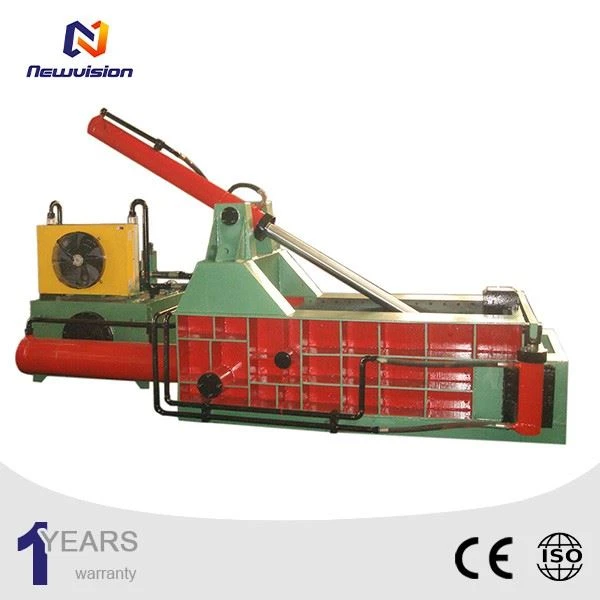
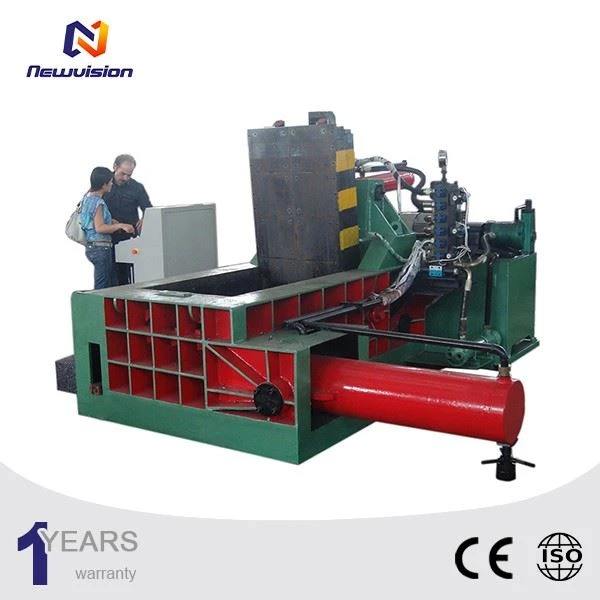
The hydraulic system is a critical part of the scrap aluminum cans baler. Start by connecting the hydraulic hoses to the appropriate ports on the hydraulic pump, cylinders, and valves. Make sure that all connections are tight to prevent hydraulic fluid leaks. Fill the hydraulic reservoir with the recommended type and amount of hydraulic oil. Check the oil level regularly during the initial operation to ensure that it remains within the appropriate range.
Electrical System
Connect the electrical wiring according to the wiring diagram provided in the user manual. This includes connecting the motor, control panel, sensors, and other electrical components. Ensure that all connections are properly insulated to prevent short - circuits. Test the electrical system for proper functionality before proceeding with further installation steps.
Feeding and Ejection Systems
Assemble the feeding and ejection systems of the baler. This may involve installing conveyor belts, chutes, or other mechanisms for loading scrap aluminum cans into the baler and ejecting the finished bales. Adjust the tension of the conveyor belts and ensure that all moving parts are properly lubricated.
4. Testing and Calibration
Initial Testing
Once all components are assembled, perform an initial test of the baler. Start the machine and check for any abnormal noises, vibrations, or leaks. Observe the operation of the hydraulic system, electrical system, and mechanical components to ensure that they are functioning correctly.
Calibration
Calibrate the baler according to the specific requirements of your operation. This may include adjusting the pressure settings for baling, the size of the bales, and the speed of the feeding and ejection systems. Refer to the user manual for detailed instructions on how to perform these calibrations.
5. Operator Training
After the installation and testing are complete, it's essential to provide training to the operators who will be using the scrap aluminum cans baler. Our company offers comprehensive training programs that cover the operation, maintenance, and safety procedures of the baler. Operators should be familiar with how to start and stop the machine, how to load and unload scrap aluminum cans, and how to troubleshoot common issues.
6. Maintenance Plan
Establish a regular maintenance plan for the baler to ensure its long - term performance and reliability. This plan should include tasks such as checking and changing the hydraulic oil, lubricating moving parts, inspecting electrical connections, and replacing worn - out components. Regular maintenance will help prevent breakdowns and extend the lifespan of the baler.
Related Products
If you are also interested in other types of balers, we have a wide range of products to meet your needs. For example, our High - strength Steel Shavings Metal Balers are designed to handle high - strength steel shavings efficiently. The Automatic Aluminum Chips Baler is perfect for baling aluminum chips automatically. And our Scrap Ferrous And Non - Ferrous Baler can deal with both ferrous and non - ferrous scrap materials.
Contact for Purchase
If you are considering purchasing a scrap aluminum cans baler or any of our other products, we are more than happy to assist you. Our team of experts can provide you with detailed product information, pricing, and customized solutions based on your specific requirements. Don't hesitate to contact us for a purchase negotiation. We look forward to working with you to meet your scrap metal baling needs.
References
- Manufacturer's user manual for the scrap aluminum cans baler
- Industry standards for scrap metal baler installation and operation


