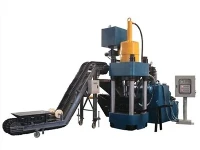

If you’ve ever hauled metal scraps or industrial waste, you know how much of a pain bulky, loose, messy materials can be. I’ve been selling metal briquetting machines for years, and one question I get all the time is: how the heck do these machines actually make metal transportation way more efficient? Let’s break it down with real, on-the-ground stuff I’ve seen, not just textbook jargon.
First off, let’s talk about what we’re dealing with. Metal waste comes in all shapes and sizes—loose copper swarf from machine shops, aluminum turnings from fabrication floors, steel scrap that’s twisted into random forms. If you try to load that loose stuff into a truck or a shipping container, it’s like trying to pack a suitcase full of tangled cables: tons of empty space between pieces. I remember a customer last year who ran a small auto body shop; they were hauling 10 tons of loose steel scrap every month, and their truck could only hold 6 tons total because all the gaps took up half the space. That’s money wasted right there—more trips, more fuel, more time.
That’s where metal briquetting machines step in. These bad boys compress all that loose metal scraps into dense, uniform briquettes—think solid, puck-shaped blocks that are way easier to handle. Let’s start with the big one: volume reduction. Most of these machines cram metal down to 1/3 to 1/5 of its original loose volume. That’s a game-changer for loading capacity. Take that same auto shop customer: once they got a [Hydraulic Automatic Horizontal Metal Briquette] machine, their scrap load went from 6 tons to 18 tons per truck, no extra trips needed. Fuel costs dropped by almost 60% in a month, and they didn’t have to waste half their day driving back and forth to the scrap yard. That’s efficiency you can count on.
Wait, not all briquetting machines are the same, right? If you’re working with specific metals, you need the right tool for the job. For example, copper is super common in electrical and plumbing industries, and loose copper swarf is oily, stringy, and a nightmare to pack. We sell a [Waste Copper Briquetting Press] that’s built to handle that exact mess. It uses high pressure to squeeze out excess oil and compress the copper into tight, solid briquettes, so you don’t have leaky loads or gaps everywhere. One electrical parts manufacturer told us they used to pay extra for “loose metal surcharges” at scrap yards because their copper scraps were so bulky; after using this press, those surcharges vanished, and they got a better price per pound too—densified metal is way more valuable to smelters, so scrap yards and mills pay more for it.
Another big win for transportation is weight management. Loose metal scraps aren’t just bulky—they’re often unevenly distributed, so you might be underweight in one part of the truck and over in another, which means you can’t hit that legal weight limit without risking fines. Briquettes are uniform in size and weight, so you can stack them evenly, distributing weight properly across the truck bed or container. No more overweight tickets, no more wasted space from uneven loads. I’ve seen customers switch to briquettes and cut their legal weight violations to zero, which saves them hundreds (sometimes thousands) of dollars a year in fees alone.
Let’s talk about handling and labor too, because that’s a huge part of transportation efficiency that people forget. Loose metal scraps are sharp, messy, and heavy to move. Loading a truck with loose swarf means workers have to use shovels or small loaders, which is slow and risky—you’ve got people bending over, lifting sharp pieces, that’s a recipe for injuries. Briquettes are solid, uniform, and stackable. You can use a standard forklift or pallet jack to move stacks of briquettes, no more manual shoveling, no more sharp edges poking through tarping to damage other loads. One machining client told us their loading time went from 4 hours per truck to 45 minutes with briquettes, and they had zero workplace injuries related to scrap handling the next year. That’s not just faster transportation—it’s safer, which cuts down on workers’ comp costs too.
Oh, and if you’re shipping metal over long distances, maybe internationally, briquettes solve another problem: contamination. Loose scraps can mix with dirt, oil, water, or other small debris during transport. Smelters don’t want that junk when they melt down metal—it ruins the quality of the final product. Briquettes are compressed so tight that most of that excess dirt and oil gets squeezed out, and the solid block keeps contaminants out during shipping. So when your briquettes get to a smelter, they’re pure metal, no extra processing needed. That means faster unloading and processing at the other end, which keeps the whole supply chain moving smoother.
Wait, let’s not sleep on different machine types for different needs. If you’re dealing with aluminum scrap—super common in aerospace, beverage cans, construction—we have an [Aluminium Scrap Briquette Press] that’s calibrated for aluminum’s specific density and plasticity. Aluminum is lighter than steel, so its loose volume is even more of a pain. A beverage recycling company we work with used to haul loose aluminum cans in bales, but those bales still had tons of air pockets. After switching to our aluminum briquette press, they cranked the density up, so each truck held twice as many cans, and the briquettes didn’t break apart during transport like flimsy bales do. No more lost cans or extra trips.
For smaller operations or shops that don’t want a huge, complicated machine, we also have options like the [Metal Swarf Briquetting PLC Control] model. It’s automated, so you don’t need a team of operators running it—just load the metal scraps, set the settings, and it does the rest. That means small shops can process their own swarf on-site, instead of paying someone else to haul loose scraps away. So you’re not only saving on your own transportation costs, you’re also turning a waste product into a saleable one, which is a double win. Even for big operations, automation means less labor time spent on processing scrap, so you can use your team for other jobs that make money.


Let’s get real about maintenance and reliability, too—because a machine that breaks down all the time doesn’t help efficiency. All our briquetting presses, whether it’s the standard [Hydraulic Metal Briquette Press] or the specialized ones, are built with heavy-duty hydraulic systems and durable parts, so they run for years without major issues. I’ve had customers who’ve run their same press for 8 years with only routine oil changes and part replacements. That means no downtime mid-job, no emergency repairs, so you’re not losing time waiting for a machine to get fixed, which keeps your transportation schedule on track.
Wait, I should mention one more thing that a lot of people overlook: storage. If you’re not ready to transport your metal right away, loose scraps take up tons of space in your yard or warehouse. Briquettes stack neatly, so you can store way more metal in the same amount of space. That means you don’t have to rent extra storage, and when you’re ready to ship, you’ve got a full load waiting, no empty space sitting around. One metal stamping plant told us they used to rent a 10x20 storage unit just for loose steel scraps; after switching to briquettes, they could fit all their scrap in their existing yard, saving them $1,200 a year in storage fees.
Now, let’s tie this all together. When you use a metal briquetting machine, you’re not just compressing metal—you’re cutting transportation costs (less fuel, fewer trips, no surcharges or fines), speeding up loading/unloading, reducing labor and injury risks, improving the value of your metal waste, and making the whole supply chain way more efficient. Whether you’re a small shop handling swarf, a beverage recycler with aluminum cans, a machine shop with copper waste, or a big industrial mill with steel scrap, there’s a briquetting machine that fits your needs.
If you’re tired of wasting time and money on bulky, messy metal transportation, we can help you pick the right machine for your specific metal, volume, and operation. We’ve got the specialized presses for copper, aluminum, swarf, and general metal scrap, all built to be reliable and easy to use. Just reach out to us to talk through your needs, and we can give you a recommendation that’ll make your metal transportation way more efficient.
References
- Global Metal Recycling Association. (2022). Efficiency Improvements in Metal Scrap Handling and Transportation. GMRA Publications.
- Industrial Waste Management Journal. (2021). “Densification of Metal Scrap: Impacts on Logistics Costs and Market Value.” Volume 18, Issue 4.
- Occupational Safety and Health Administration (OSHA). (2020). Guidelines for Reducing Injuries in Metal Scrap Handling Operations. OSHA Technical Report.
- Metal Industry Supply Chain Report. (2023). Optimizing Freight Loading for Dense Bulk Materials. Global Supply Chain Insights.