

If you’re in the scrap recycling game, you know aluminum isn’t just cans from backyards or siding from old sheds—it’s a high-value, in-demand commodity that moves fast. But if you’re settling for a baler that leaves uneven bales, jams daily, or can’t keep up with your volume, you’re leaving money on the table. I’ve worked with scrap yards, metal processors, and even small-scale salvage ops for years, and the number one mistake I see people make is picking a scrap aluminum baler based on sticker price alone. There’s a whole lot more to it than that, and today I’m breaking down exactly what you need to weigh before dropping cash on one of these workhorses.
First things first: know your feedstock, and I don’t mean just “aluminum.” Aluminum scrap comes in so many forms that a baler built for thin soda cans will flop hard on thick aluminum extrusion or aluminum castings from engine parts. Let’s say you’re processing mostly beverage cans—they’re lightweight, have a lot of air between them, and tend to bunch up if not compacted right. But if you’re also taking on aluminum wheels, siding, or sheet stock from construction sites, you need a machine that can handle denser, bulkier, sometimes jagged pieces without wearing out prematurely. I’ve seen guys grab a cheap general metal baler, load it with ¼-inch thick aluminum siding, and have to replace the ram seal within three months because it was running way beyond the machine’s intended load. That’s the kind of hidden cost that sinks small operations fast. If you’re focused specifically on aluminum, not mixed scrap, check out our scrap metal aluminum baler page for models tuned for aluminum’s unique density and flow (link here: Scrap Metal Aluminum Baler - /scrap-baler-machine/scrap-metal-baler-machine/scrap-metal-aluminum-baler.html). That’s not to say a general baler can’t work for mixed loads, but when aluminum is your main product, you want a machine optimized for it.

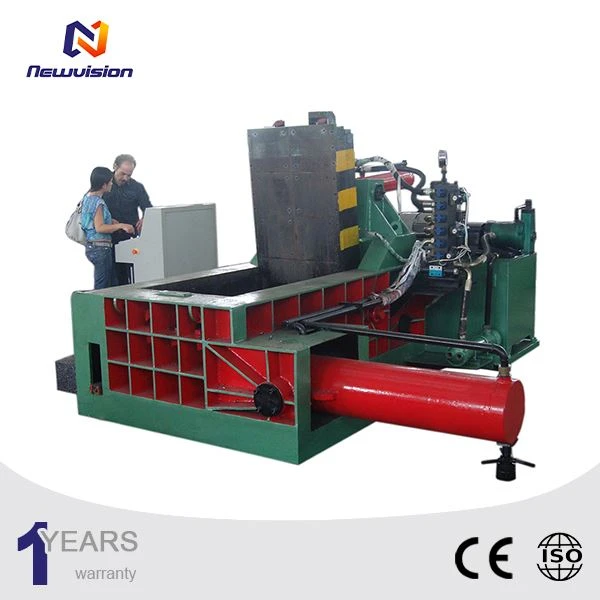
Next up: production volume and throughput. How much aluminum do you process in a week, and how fast do you need to turn those bales around? A small hobby yard doing 1,000 pounds a day can get away with a manual or semi-automatic baler that takes a few minutes per bale. But if you’re a mid-sized operation cranking out 10,000+ pounds a day, or a large processor moving hundreds of thousands, you need an automatic baler with continuous cycle times—no waiting for a worker to flip a switch mid-compression, no bottlenecks when feedstock is coming in hot. I talked to a scrap yard owner in Ohio last year who upgraded from a semi-automatic to an automatic because his bale output doubled, and he saved $15k a year on labor alone. He was also able to charge more per bale because the auto baler produced tighter, more uniform bales that transport easier and get better prices from smelters. Don’t guess on this number—track your average weekly volume for at least a month first. If you’re processing other metals alongside aluminum, like iron, make sure the baler isn’t overstretched. For example, if you’re handling car parts, a car baler machine might pair well with your aluminum baler to process mixed auto scrap, but you’ll want to size each machine for its specific feedstock to avoid overload.
Then there’s bale quality and shipping value. Smelters and scrap brokers don’t pay the same for a loose, uneven bale as they do for a tight, consistent one that meets their size and weight specs. A good aluminum baler will compress the metal so tight that a 5’ bale weighs 1,500-2,000 pounds, which is the sweet spot for over-the-road transport. If your bales are too loose, you’re wasting space in your truck, which means more trips, higher fuel costs, and less profit per load. Too small, and you’re again not maximizing truck space, or you’re paying more per bale to ship. I also can’t skip over bale density: aluminum’s value depends heavily on how compacted it is. Smelters have to melt down air pockets in loose bales, which uses more energy and cuts into their margins—so they’ll offer less for those bales. Look for a baler with high compression force (we’re talking 30-60 tons for aluminum, depending on feedstock) because that’s what gets those tight, high-density bales. If you ever need to process other materials too, like mixed metal from tire wire, a scrap tire wire baler can handle those separate streams without overwhelming your aluminum setup.
Upfront cost is a big one, but so is long-term operating cost. The cheap $5k baler you see on a auction site? It’s probably old, has high energy use, and will break down every few months, costing you downtime and repair fees. I’ve seen a guy buy one of those, and in the first six months, he spent $3k on replacement parts and missed two weeks of production when the ram cracked. Compare that to a $15k baler that uses less electricity, has fewer moving parts, and comes with a 2-year warranty. The $15k one is more expensive upfront, but you’ll make that money back in under a year in saved repairs and less downtime. Also, factor in maintenance: do parts for this baler are easy to find? If it’s a no-name brand from overseas, you might have to wait weeks for a replacement ram or seal, which shuts your whole yard down. We design our aluminum balers with common, easy-to-source parts so you can fix issues on the same day, no long waits. Another thing: energy efficiency. A baler that guzzles power adds hundreds of dollars to your monthly utility bill, even when not running at full capacity. Look for models with energy-saving modes, especially if you run your baler during off-peak hours to lower electric rates.
Ease of use and worker safety can’t be afterthoughts. Your baler is only as good as the people running it, and if it’s a pain to operate, you’ll have high turnover, frustrated staff, and more accidents. Look for features like a large feed chute so workers can load aluminum without bending or reaching constantly, which cuts down on repetitive stress injuries. Safety guards that automatically shut the machine off if someone reaches into the compression chamber are non-negotiable—OSHA has strict rules for scrap equipment, and you don’t want to risk fines or worse. Automatic balers with touchscreen controls are way easier for new hires to figure out than old-school manual controls that require training for weeks. I’ve seen a guy with a small yard get a baler that’s so complex, he had to pay a technician to come in every month just to reset it, which is a huge waste. Simpler, intuitive controls are worth their weight in gold. Also, if you plan to expand later, look for a baler that’s modular—you can add extra features like a conveyor feeder or auto-tie system down the line without buying a whole new machine. That saves you money when your business grows, instead of being stuck with a baler that can’t keep up.
Last but not least, warranty and support. No matter how good a machine is, something will break eventually. If your supplier only offers a 30-day warranty and is based across the country, you’re on your own if something goes wrong. We stand behind our scrap aluminum balers with a long warranty and 24/7 support for any issues. We also offer training for your staff when you take delivery, so you’re not left guessing how to operate or maintain your new machine. If you’re looking for a baler for larger-scale operations, a powerful car press bailing machine scrap baler can handle bigger loads, but for pure aluminum processing, our aluminum-specific models are built to deliver consistent performance.
At the end of the day, choosing the right scrap aluminum baler isn’t just about getting the cheapest one available. It’s about matching the machine to your exact feedstock, volume, and long-term goals, while accounting for hidden costs like maintenance, labor, and downtime. A good baler will pay for itself in six months to a year and keep your operation running smoothly for years, while a bad one will end up being a headache that costs you more than it’s worth. If you’re ready to look at models built specifically for aluminum, or want to chat about what setup makes sense for your scrap yard, reach out to our team to talk through your needs and get a custom quote. We’re here to help you get the right baler that boosts your productivity and your bottom line.
References:
- Institute of Scrap Recycling Industries (ISRI). (2023). Scrap Metal Processing Equipment Guide. Washington, D.C.: ISRI.
- U.S. Occupational Safety and Health Administration (OSHA). (2022). Safety Standards for Metalworking Machinery. Washington, D.C.: OSHA.
- Global Scrap Recycling Market Report. (2024). Market Analysis & Growth Forecasts. London: Research and Markets.


