

Hey there! As a supplier of waste plastic balers, I often get asked how to evaluate the performance of these machines. It's a crucial question, especially if you're in the market for one. In this blog, I'll share some key factors to consider when assessing the performance of a waste plastic baler.
Bale Density
One of the most important aspects of a waste plastic baler is its ability to produce dense bales. Bale density directly impacts storage and transportation costs. A higher density means more plastic can be packed into a given space, reducing the number of bales and the overall volume. This, in turn, lowers storage requirements and transportation expenses.
To evaluate bale density, you can measure the weight and dimensions of the bales produced by the baler. Compare these values with the manufacturer's specifications. Keep in mind that different types of plastic may have different optimal densities. For example, rigid plastics like PET bottles may require a higher density than flexible plastics like LDPE films.
Baler Capacity
The capacity of a waste plastic baler refers to the amount of plastic it can process within a given time frame. This is usually measured in kilograms per hour (kg/h) or tons per day (t/d). When evaluating capacity, consider your production needs. If you have a large volume of plastic waste to process, you'll need a baler with a high capacity.
However, it's important to note that capacity can be affected by several factors, including the type of plastic, the size of the feed opening, and the speed of the baler. Make sure to choose a baler that can handle your specific requirements without overloading or causing unnecessary wear and tear.
Energy Efficiency
Energy consumption is a significant cost factor in operating a waste plastic baler. An energy-efficient baler can help you save money on electricity bills and reduce your environmental impact. When evaluating energy efficiency, look for balers that use advanced hydraulic systems or electric motors. These technologies are designed to minimize energy consumption while maintaining high performance.
You can also check the baler's power rating and compare it with similar models on the market. Additionally, consider the baler's idle time and standby mode. A baler that automatically shuts off or enters a low-power mode when not in use can further reduce energy consumption.
Bale Size and Shape
The size and shape of the bales produced by a waste plastic baler can also impact their handling and storage. Standard bale sizes are typically designed to fit easily into storage facilities and transportation vehicles. However, you may have specific requirements based on your operations.
Some balers offer adjustable bale sizes, allowing you to customize the dimensions of the bales to suit your needs. This can be particularly useful if you have limited storage space or need to transport the bales over long distances. Additionally, consider the shape of the bales. Square or rectangular bales are generally easier to stack and handle than irregularly shaped bales.
Durability and Reliability
A waste plastic baler is a significant investment, so you want to make sure it's built to last. Look for balers that are made from high-quality materials and have a robust construction. Check the manufacturer's reputation and customer reviews to get an idea of the baler's durability and reliability.
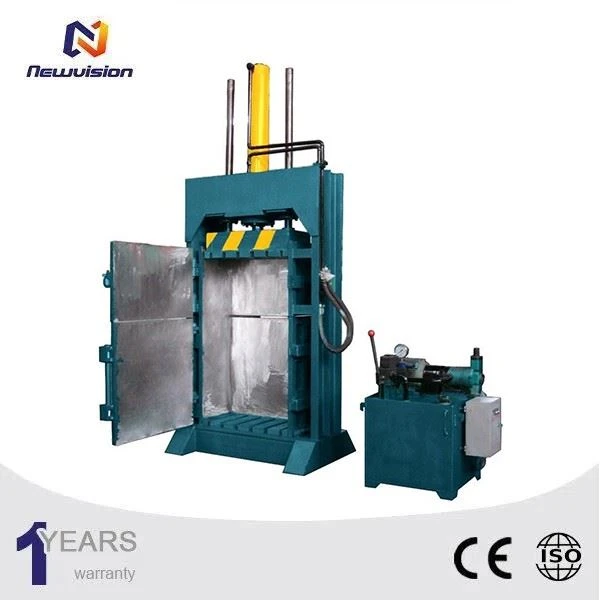
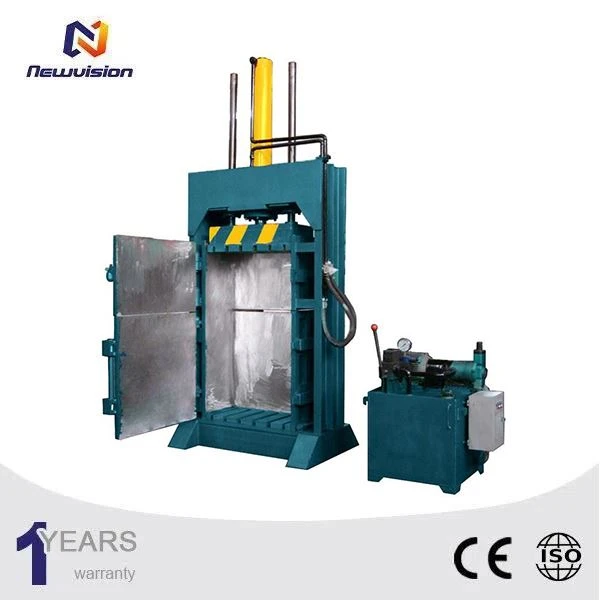
In addition to the overall construction, pay attention to the quality of the components. For example, the hydraulic cylinders, pumps, and valves should be made from high-grade materials and have a long service life. A baler with a reliable control system and safety features can also help prevent breakdowns and ensure operator safety.
Ease of Operation and Maintenance
A waste plastic baler should be easy to operate and maintain. Look for balers that come with user-friendly controls and clear instructions. Some balers even offer automated features, such as automatic tying or ejection, which can simplify the baling process and reduce operator fatigue.
When it comes to maintenance, consider the accessibility of the components. A baler with easy-to-reach filters, lubrication points, and inspection ports can make maintenance tasks quicker and more efficient. Additionally, check if the manufacturer offers training and support services to help you keep your baler in top condition.
Cost
Of course, cost is always a factor when purchasing a waste plastic baler. However, it's important to consider the total cost of ownership, not just the initial purchase price. This includes factors such as energy consumption, maintenance costs, and the cost of replacement parts.
Compare the prices of different balers on the market and consider the features and performance they offer. A more expensive baler may have a higher upfront cost, but it could save you money in the long run through lower energy consumption and fewer maintenance issues.
Examples of Our Balers
At our company, we offer a range of waste plastic balers to suit different needs and budgets. Here are some examples of our products:
- Hydraulic Vertical Model Scrap Baler: This baler is designed for high-density baling of various types of plastic waste. It features a powerful hydraulic system and a user-friendly control panel.
- 250ton Scrap Cardboard Baler: Ideal for large-scale operations, this baler can handle high volumes of plastic waste. It has a high capacity and can produce dense bales quickly.
- Baler Machine Press Scrap For Hard Plastic: Specifically designed for hard plastics, this baler can effectively compress and bale materials like PET bottles and PVC pipes.
Conclusion
Evaluating the performance of a waste plastic baler requires careful consideration of several factors, including bale density, capacity, energy efficiency, bale size and shape, durability, ease of operation and maintenance, and cost. By taking the time to assess these factors, you can choose a baler that meets your specific needs and provides a good return on investment.
If you're interested in learning more about our waste plastic balers or have any questions, please feel free to contact us. We'd be happy to discuss your requirements and help you find the right solution for your business.
References
- "Waste Plastic Recycling: Technologies and Processes" by John Smith
- "Baling Equipment: A Guide to Selection and Operation" by Jane Doe


