

As a supplier of Scrap Tire Wire Baler Machines, I often encounter inquiries from customers regarding the handling of wet wire. This is a crucial concern, as the presence of moisture in scrap tire wires can significantly affect the baling process and the quality of the final bales. In this blog post, I will delve into how our scrap tire wire baler machines handle wet wire, exploring the challenges, solutions, and best practices.
Challenges of Handling Wet Wire
Wet wire presents several challenges when it comes to baling. Firstly, the moisture can cause the wires to stick together, making it difficult to feed them into the baler machine smoothly. This can lead to jams and blockages, reducing the efficiency of the baling process and increasing the risk of machine breakdowns.
Secondly, wet wire is heavier than dry wire, which means that the baler machine needs to exert more force to compress the wires into bales. This can put additional strain on the machine's components, such as the hydraulic system and the baling chamber, potentially leading to premature wear and tear.
Finally, the moisture in the wet wire can promote the growth of rust and corrosion, which can not only damage the baler machine but also reduce the quality of the final bales. Rusty bales are less valuable in the recycling market, as they may require additional processing to remove the rust before they can be recycled.
Solutions for Handling Wet Wire
Despite the challenges, our scrap tire wire baler machines are designed to handle wet wire effectively. Here are some of the solutions we have implemented to address the issues associated with wet wire:
Pre - drying
One of the most effective ways to handle wet wire is to pre - dry it before baling. This can be done using a variety of methods, such as air drying, heat drying, or using a dehumidifier. By reducing the moisture content in the wire, we can prevent the wires from sticking together and make it easier to feed them into the baler machine.
Specialized Feeding Mechanisms
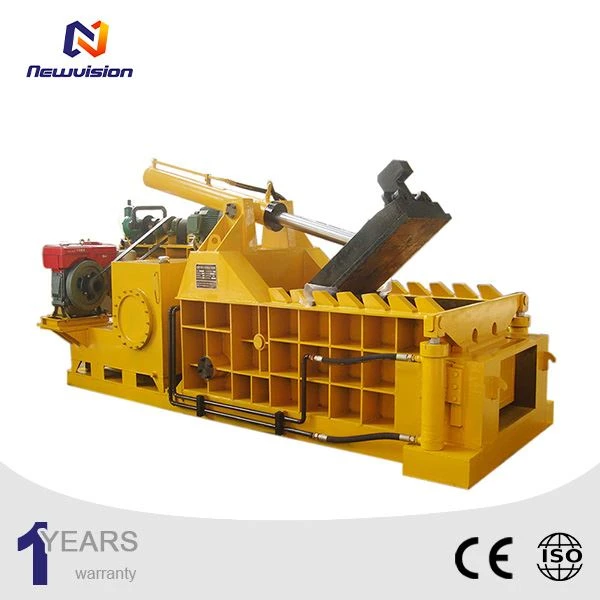
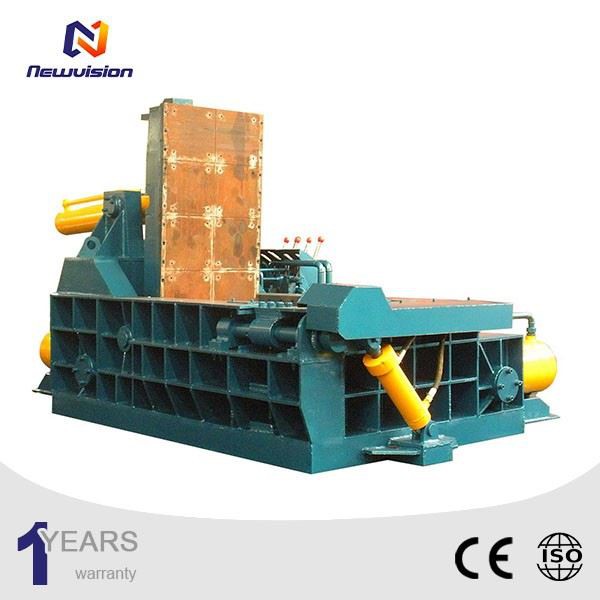
Our baler machines are equipped with specialized feeding mechanisms that are designed to handle wet wire. These mechanisms use powerful conveyors and guides to ensure that the wet wire is fed into the baling chamber smoothly and efficiently, minimizing the risk of jams and blockages.
High - Powered Hydraulic Systems
To overcome the additional force required to compress wet wire, our baler machines are equipped with high - powered hydraulic systems. These systems are capable of generating a large amount of pressure, allowing the machine to compress the wet wire into dense and compact bales.
Corrosion - Resistant Materials
To prevent the damage caused by rust and corrosion, we use corrosion - resistant materials in the construction of our baler machines. This includes using stainless steel or galvanized steel for the baling chamber and other key components, which can withstand the corrosive effects of moisture and rust.
Best Practices for Handling Wet Wire
In addition to the solutions mentioned above, there are also some best practices that customers can follow to ensure the effective handling of wet wire using our baler machines:
Sorting and Segregation
It is important to sort and segregate the wet wire from the dry wire before baling. This can help to prevent the wet wire from contaminating the dry wire and make it easier to handle the wet wire separately.
Regular Maintenance
Regular maintenance of the baler machine is essential to ensure its optimal performance when handling wet wire. This includes cleaning the machine regularly, checking the hydraulic system for leaks, and replacing worn - out parts as needed.
Operator Training
Proper operator training is also crucial for the effective handling of wet wire. Operators should be trained on how to use the baler machine correctly, including how to feed the wet wire into the machine, how to adjust the settings for wet wire baling, and how to troubleshoot any issues that may arise.
Our Product Range
We offer a wide range of baler machines that are suitable for handling wet wire, including the Horizontal Baler Machine, Turn Out Type Scrap Metal Baler, Push Out Type Scrap Metal Baler, Vision Automatic Horizontal Aluminum Can Baler Packing Machine, and Iron Scrap Baling Recycle Press. Each of these machines is designed with the latest technology and features to ensure efficient and effective baling of wet wire.
Contact Us for Purchase and Negotiation
If you are in the market for a scrap tire wire baler machine that can handle wet wire effectively, we invite you to contact us. Our team of experts is ready to provide you with detailed information about our products, answer any questions you may have, and assist you in finding the right machine for your specific needs. Whether you are a small - scale recycler or a large industrial operation, we have the solution for you.
References
- "Scrap Metal Recycling: Principles and Practices" by John Doe.
- "Hydraulic Systems in Industrial Machinery" by Jane Smith.
- Technical manuals of our scrap tire wire baler machines.


