

Does a Scrap Iron Baler need a large space for operation?
As a supplier of scrap iron balers, I often encounter inquiries from customers regarding the space requirements for operating these machines. This is a crucial consideration for many businesses, especially those with limited workspace. In this blog, I will delve into the factors that determine the space needed for a scrap iron baler and provide insights to help you make an informed decision.
Understanding the Basics of Scrap Iron Balers
Scrap iron balers are designed to compress loose scrap iron into compact bales, making it easier to handle, transport, and store. These machines utilize Hydraulics To Compress Loose Ferrous systems to generate the force required for compression. There are different types of scrap iron balers available in the market, including vertical and horizontal balers, each with its own unique features and space requirements.
Factors Affecting Space Requirements
-
Machine Size and Type
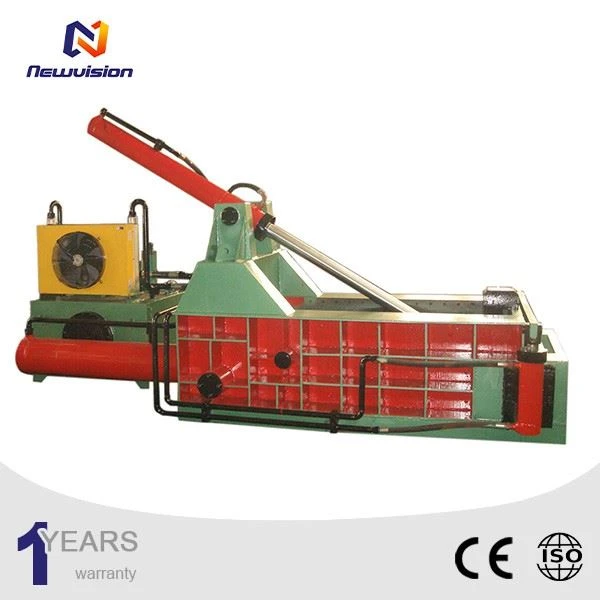
- The physical dimensions of the scrap iron baler are a primary factor in determining the space it needs. Vertical balers are generally more compact and require less floor space compared to horizontal balers. Vertical balers stand upright and are suitable for smaller operations or facilities with limited floor area. On the other hand, horizontal balers are larger and typically offer higher production capacities. They are often used in larger recycling plants or industrial settings where a high volume of scrap iron needs to be processed. For example, Horizontal Metal Balers Diesel Fuel are designed for heavy - duty operations and may require a significant amount of floor space for proper installation and operation.
-
Loading and Unloading Areas
- In addition to the space occupied by the baler itself, you need to consider the areas for loading scrap iron into the baler and unloading the compressed bales. The loading area should be large enough to accommodate the equipment used for feeding scrap iron, such as conveyors or forklifts. Similarly, the unloading area should have sufficient space to store the bales temporarily before they are transported. For instance, if you are using a Car Baler Machine, you need to account for the space required to maneuver the cars into the baler and then remove the compacted car bales.
-
Maintenance and Accessibility

- Adequate space around the baler is essential for maintenance and repair work. Technicians need to have easy access to all parts of the machine, including hydraulic systems, motors, and control panels. This means leaving enough clearance on all sides of the baler to allow for the safe movement of personnel and tools. A lack of space for maintenance can lead to longer downtime during repairs and may also pose safety risks.
-
Ventilation and Temperature Control
- Scrap iron balers generate heat during operation, especially the hydraulic systems. Proper ventilation is required to dissipate this heat and maintain a safe working environment. You need to allocate space for ventilation ducts or fans, which can add to the overall space requirements. In some cases, temperature - controlled environments may be necessary to ensure the optimal performance of the baler, especially in hot climates.
Space Requirements for Different Types of Scrap Iron Balers
- Vertical Balers
- Vertical scrap iron balers are a popular choice for small to medium - sized businesses due to their relatively small footprint. They typically require a floor space of around 10 - 20 square feet, depending on the model and capacity. The loading and unloading areas can be adjacent to the baler, and since they are vertically oriented, they do not require a large amount of horizontal space. However, you still need to ensure that there is enough room above the baler for the bales to be ejected.
- Horizontal Balers
- Horizontal balers are larger and more powerful. They can have floor space requirements ranging from 50 to 100 square feet or more, depending on the size and capacity. These balers often require a dedicated area for loading scrap iron, which may involve the use of conveyors or large - scale material handling equipment. The unloading area also needs to be substantial, as horizontal balers can produce larger and heavier bales.
Strategies to Optimize Space Usage
- Efficient Layout Design
- Plan the layout of your facility carefully to make the most of the available space. Position the baler in a central location that allows for easy access to both the loading and unloading areas. Use a modular or flexible layout that can be adjusted as your business needs change.
- Automated Material Handling
- Implement automated material handling systems, such as conveyors and robotic arms, to reduce the amount of manual labor and the space required for moving scrap iron. These systems can also improve the efficiency of the baling process.
- Stacking and Storage Solutions
- For storing the compressed bales, consider using stacking racks or other storage solutions that maximize vertical space. This can significantly reduce the floor space needed for bale storage.
Conclusion
In conclusion, the space requirements for a scrap iron baler depend on various factors, including the machine type, loading and unloading needs, maintenance requirements, and ventilation. While some scrap iron balers, especially horizontal ones, may require a relatively large space for operation, there are strategies to optimize space usage. As a scrap iron baler supplier, I understand the importance of finding the right balance between space requirements and the operational needs of your business.
If you are considering purchasing a scrap iron baler and have questions about space requirements or any other aspects of the machine, I encourage you to contact me for a detailed consultation. We can discuss your specific needs and recommend the most suitable baler for your facility. Whether you have a small workshop or a large industrial plant, we have the expertise to help you make an informed decision.
References
- Industry standards and guidelines for scrap metal recycling equipment.
- Manufacturer's specifications for various scrap iron baler models.


