

The cutting angle in a hydraulic shearing machine is a crucial parameter that significantly impacts the quality of the cut, the tool life, and the overall efficiency of the shearing process. As a leading supplier of hydraulic shearing machines, I understand the importance of correctly adjusting this angle. In this blog post, I'll guide you through the process of adjusting the cutting angle in a hydraulic shearing machine.

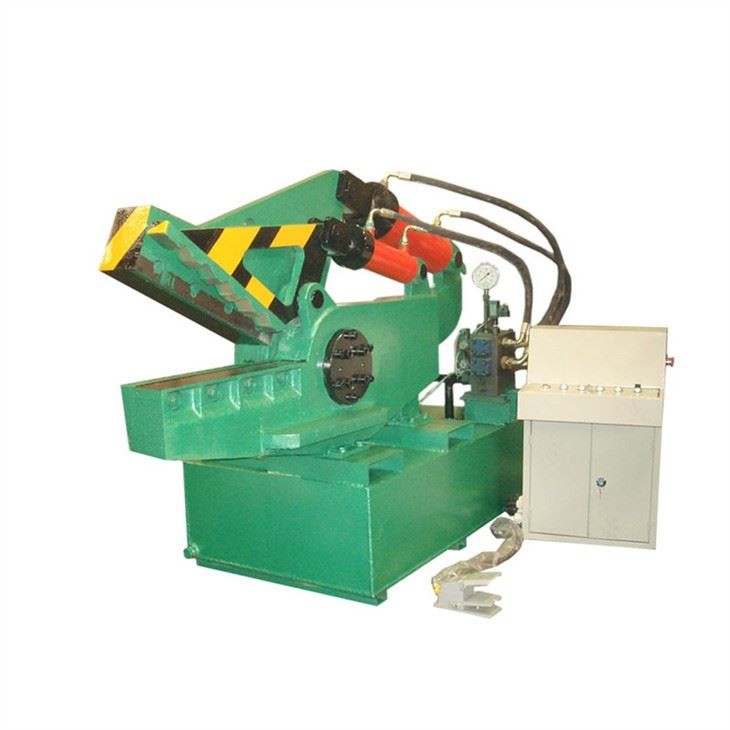
Understanding the Significance of Cutting Angle
The cutting angle in a hydraulic shearing machine refers to the angle between the fixed blade and the moving blade. A proper cutting angle ensures that the metal sheet is cut smoothly, with minimal burrs and deformation. If the angle is too large, the cutting force required will increase, leading to excessive wear on the blades and potentially damaging the machine. On the other hand, if the angle is too small, the metal may not be cut cleanly, resulting in rough edges and an uneven cut surface.
Factors Affecting the Cutting Angle
Several factors influence the optimal cutting angle for a hydraulic shearing machine. These include the type of material being cut, the thickness of the material, and the hardness of the material.
- Material Type: Different materials have different mechanical properties, which require different cutting angles. For example, soft materials like aluminum generally require a smaller cutting angle compared to harder materials like steel.
- Material Thickness: Thicker materials typically need a larger cutting angle to ensure a clean cut. As the thickness increases, the cutting force required also increases, and a larger angle helps to distribute this force more effectively.
- Material Hardness: Harder materials are more difficult to cut, and thus demand a more precise cutting angle. A well - adjusted angle can help reduce the cutting force and prevent blade damage when working with hard alloys.
Step - by - Step Guide to Adjusting the Cutting Angle
1. Preparation
Before you start adjusting the cutting angle, it's essential to prepare the machine and gather the necessary tools. First, power off the hydraulic shearing machine to ensure safety. Then, clean the blades and the working area to remove any debris or metal shavings. You'll need a spanner, a micrometer, and the machine's manual for reference.
2. Identify the Adjustment Mechanism
The adjustment mechanism for the cutting angle varies depending on the model of the hydraulic shearing machine. In most modern machines, there are adjustable wedges or eccentric shafts that allow you to change the angle between the blades. Refer to the machine's manual to locate the specific adjustment points.
3. Measure the Current Angle
Use a micrometer to measure the current cutting angle. This will give you a baseline for comparison and help you determine how much adjustment is needed. Place the micrometer at several points along the length of the blades to ensure an accurate measurement.
4. Make Small Adjustments
Loosen the locking bolts or nuts on the adjustment mechanism using a spanner. Make small adjustments to the cutting angle, either by turning the eccentric shaft or moving the adjustable wedge. For instance, if you're using a machine with an eccentric shaft, turning it clockwise or counter - clockwise will change the angle of the moving blade relative to the fixed blade. After each small adjustment, tighten the locking bolts or nuts to secure the new position.
5. Re - measure the Angle
After making an adjustment, re - measure the cutting angle using the micrometer. Check if the angle is within the recommended range for the material you're cutting. If not, repeat the adjustment process until you achieve the desired angle. Keep in mind that small changes can have a significant impact, so be patient and make precise adjustments.
6. Test the Cutting
Once you've set the cutting angle, power on the machine and perform a test cut on a scrap piece of the same material and thickness. Inspect the cut edge for burrs, deformation, or unevenness. If the cut is not satisfactory, you may need to make further adjustments to the cutting angle.
Tools and Equipment for Adjustment
As mentioned earlier, you'll need a few tools for adjusting the cutting angle. A spanner is used to loosen and tighten the bolts and nuts on the adjustment mechanism. A micrometer is essential for accurately measuring the cutting angle. Additionally, a feeler gauge can be useful for checking the clearance between the blades. These tools are commonly available in any industrial tool kit and are relatively inexpensive.
Common Mistakes to Avoid
- Over - adjusting: Making large adjustments at once can lead to an incorrect cutting angle and may cause damage to the machine or the blades. Always make small, incremental adjustments and re - measure after each change.
- Ignoring the Material: Failing to consider the type, thickness, and hardness of the material when setting the cutting angle is a common mistake. Remember to refer to the machine's manual for the recommended cutting angles for different materials.
- Not Testing the Cut: Skipping the test cut can result in poor - quality cuts on the actual production pieces. Always perform a test cut to ensure the cutting angle is appropriate.
Maintenance and Calibration
Regular maintenance and calibration of the cutting angle are crucial for the long - term performance of the hydraulic shearing machine. After a certain number of cuts, the blades may wear down, which can affect the cutting angle. It's recommended to perform a visual inspection of the blades regularly and re - measure the cutting angle. If any signs of wear or misalignment are detected, adjust the angle accordingly.
In the context of our product range, we offer a variety of hydraulic shearing machines such as Scrap Metal Shear Machines, Hydraulic Steel Shearing Machine, and Scrap Metal Recycling Shearing Machine. These machines are designed with user - friendly adjustment mechanisms for the cutting angle, ensuring that you can achieve precise cuts for different materials and applications.
If you're in the market for a high - quality hydraulic shearing machine or need assistance with adjusting the cutting angle of your existing machine, our team of experts is ready to provide professional guidance. We can offer in - depth product knowledge and after - sales support to help you make the most of your hydraulic shearing machine. Please contact us for more information about our products and to discuss your specific requirements. Our goal is to ensure that you achieve the best cutting results with our hydraulic shearing machines.
References
- Smith, J. (2018). Handbook of Metal Cutting Technology. Publisher Name, Location.
- Davis, R. (2019). Hydraulic Machinery: Principles and Applications. Another Publisher, Another Location.


